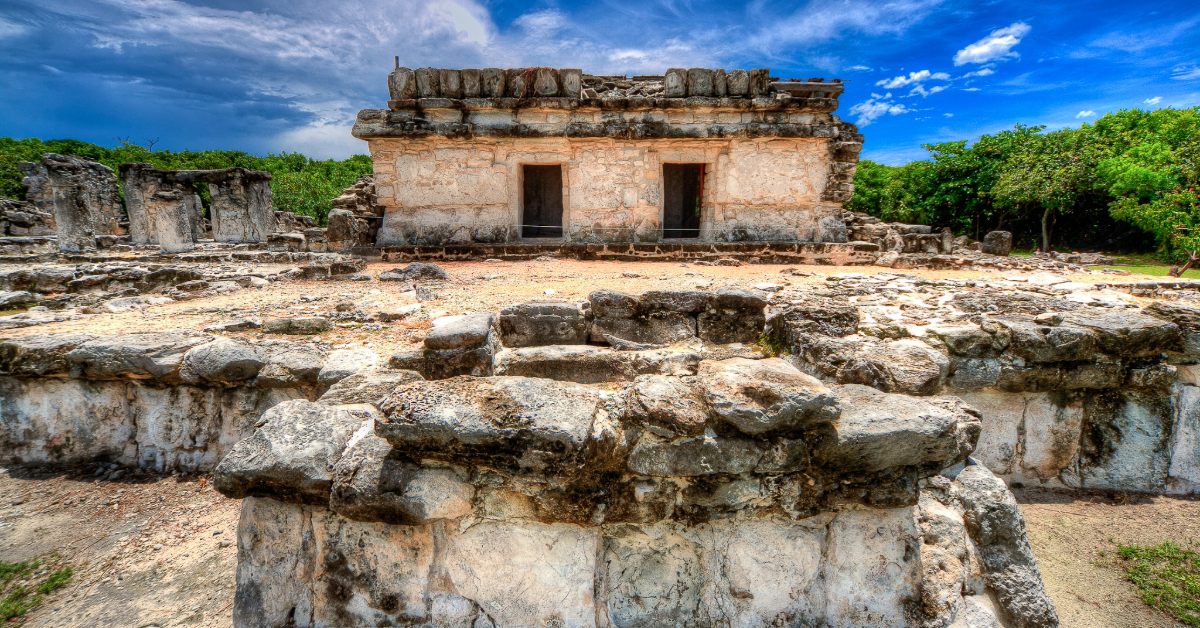
El Rey archaeological site reopening in Cancún offers updated restrooms, ticket offices and parking for a safer, more enriching visit to this historic Maya site.
The National Institute of Anthropology and History (INAH) reopened the El Rey archaeological site in Cancún’s hotel zone on Wednesday, July 16, 2025. The agency’s Quintana Roo representative led the ceremony marking the return of public access after an extensive renovation of the site’s services unit. The upgrades aim to make visits more comfortable and secure for both Mexican and international guests.
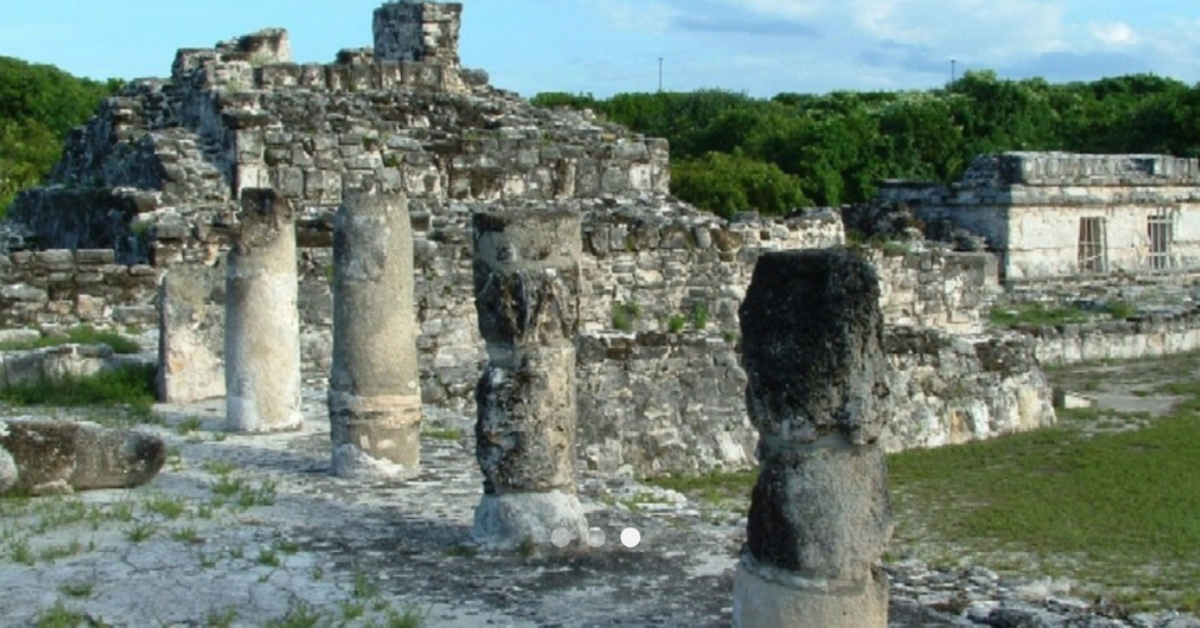
El Rey archaeological site reopening improves facilities
Visitors will now find modern restrooms, a revamped ticket office and expanded parking—elements managed by INAH’s National Coordination of Works and Projects. These enhancements replace aging infrastructure and streamline the entry process. INAH expects the new amenities to reduce wait times and support a steady flow of guests throughout the day.
El Rey reached its peak population during the Late Postclassic period (1200–1559 AD), when it formed a central hub alongside nearby San Miguelito. Both sites anchored a network of maritime trade and fishing settlements along the East Coast. Archaeologists note that the cluster once thrived on sea routes linking Campeche, the Yucatán peninsula and beyond.
Excavations have revealed a main avenue flanked by two small plazas, with temples and platforms arranged in a deliberate layout. When Spanish forces arrived in the 16th century, they dismantled the East Coast settlement system and the population gradually abandoned the area. Today, El Rey offers a window into Maya social life on Mexico’s Caribbean shore.
The reopening follows similar efforts at other Quintana Roo sites. Earlier this year, INAH restored public access to El Meco and Cobá in the north, and Kohunlich, Oxtankah, Chacchoben and Ichkabal in the south. Each project has focused on preserving fragile ruins while adding visitor services to promote sustainable tourism.
Local guides emphasize that El Rey stands out for its proximity to Cancún’s main hotel corridor. Tourists can leave the beach and explore a well-preserved Maya site without long drives. The updated facilities should encourage longer stays and deeper engagement with the region’s pre‑Hispanic heritage.
INAH has also installed new signage in Spanish and English, highlighting each structure’s function and historical context. Lighting upgrades will allow limited evening tours in coming months, expanding the site’s hours and offering cooler conditions for exploration.
Entry to El Rey runs from 8 a.m. to 5 p.m. daily. The general admission fee is 75 pesos, while Mexican citizens and foreign residents enjoy free access on Sundays upon presentation of valid ID. INAH reminds visitors to wear sun protection, carry water and respect the marked paths to safeguard both themselves and the ruins.
By combining improved visitor services with clear interpretive materials, INAH positions El Rey as a model for balancing heritage conservation and tourism growth. The institute plans to monitor foot traffic and adjust resources as needed to protect the site’s integrity. The reopening marks a new chapter for El Rey, inviting visitors to experience a key Maya outpost with comfort and confidence.
Cancún, Quintana Roo, INAH, El Rey archaeological site, Maya heritage, archaeological tourism