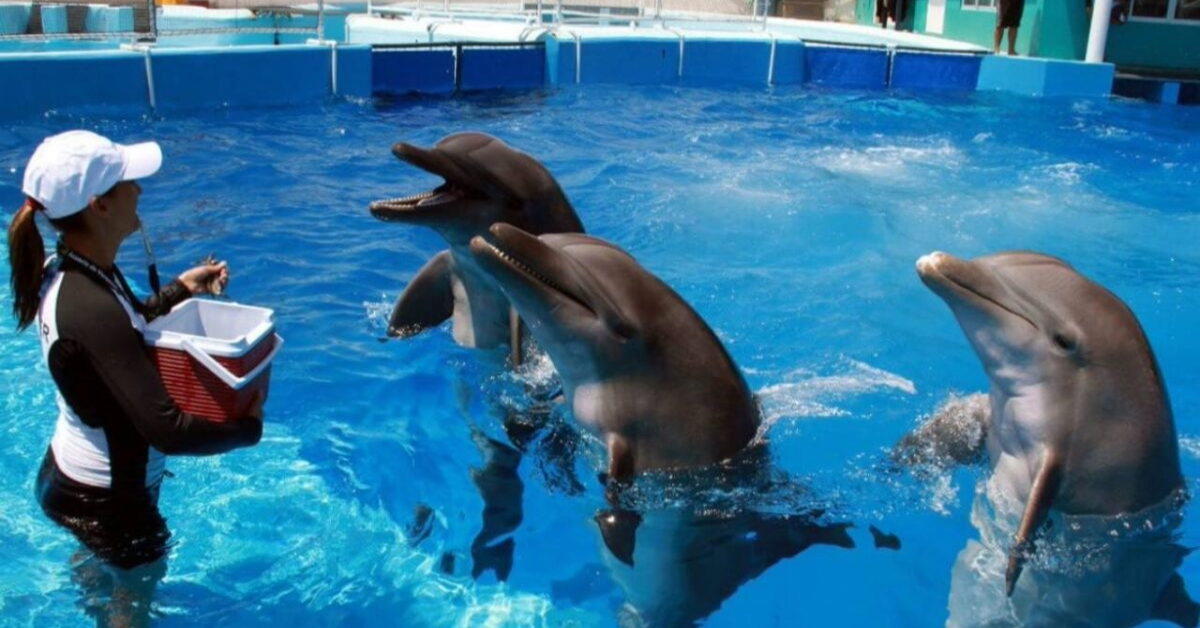
The Secretariat of Ecology and Environment (SEMA) in Quintana Roo rolled out new steps to make the recent reforms to the General Wildlife Law a reality on the ground. The law now bans using marine mammals in fixed or traveling shows and outlaws their commercial extraction. State officials will tighten identification and traceability rules to stop dolphin “swaps” after a death—no more passing off a new animal as the old one. Quintana Roo, which authorities say hosts about 70% of the country’s dolphinariums, becomes the epicenter of this shift.
Quintana Roo dolphinariums reform
SEMA’s chief, Óscar Rébora Aguilera, said the state is moving to a model with no breeding, no purchases, and no new captures. Existing facilities can stay open, but without new animals they face a natural sunset. The LGVS changes also forbid reproduction except for narrowly defined conservation purposes and block most commercial uses.
Tighter tracking and a countdown clock
Alongside Congress, SEMA will create stricter dolphin ID protocols and constant oversight. Federally, owners now have 90 days to file a full inventory—photos, marks, parentage—and 18 months to move cetaceans into sea pens or other open-water systems where possible. Fines can hit up to 75,000 UMAs for violations.
Industry counts the cost
The Mexican Association of Habitats for the Interaction and Protection of Marine Mammals (Amhmar) rejects the reform. It warns that more than 14,000 direct and indirect jobs are at stake. The sector draws over 3 million visitors a year, has poured more than 4 billion pesos into technology and infrastructure, and generates an estimated 2.96 billion pesos in annual economic impact, including 850 million pesos in travel‑agency commissions.
How big is the footprint?
Officials cite around 70% of Mexico’s dolphinariums in Quintana Roo. Independent counts list 17 of 34 facilities nationwide in the state, underscoring how any change in policy lands heaviest here.
Deadlines and oversight ahead
The decree orders the federal government to update the LGVS regulations within 180 days. Until the last captive generation dies, facilities must follow strict handling protocols, limit human contact activities, and prove they are preventing reproduction. Any accidental births can’t be monetized, and owners must fund care under federal supervision.
Quintana Roo, dolphinariums, LGVS, marine mammals, SEMA, Óscar Rébora Aguilera, Amhmar, wildlife law, Mexico Congress, tourism economy