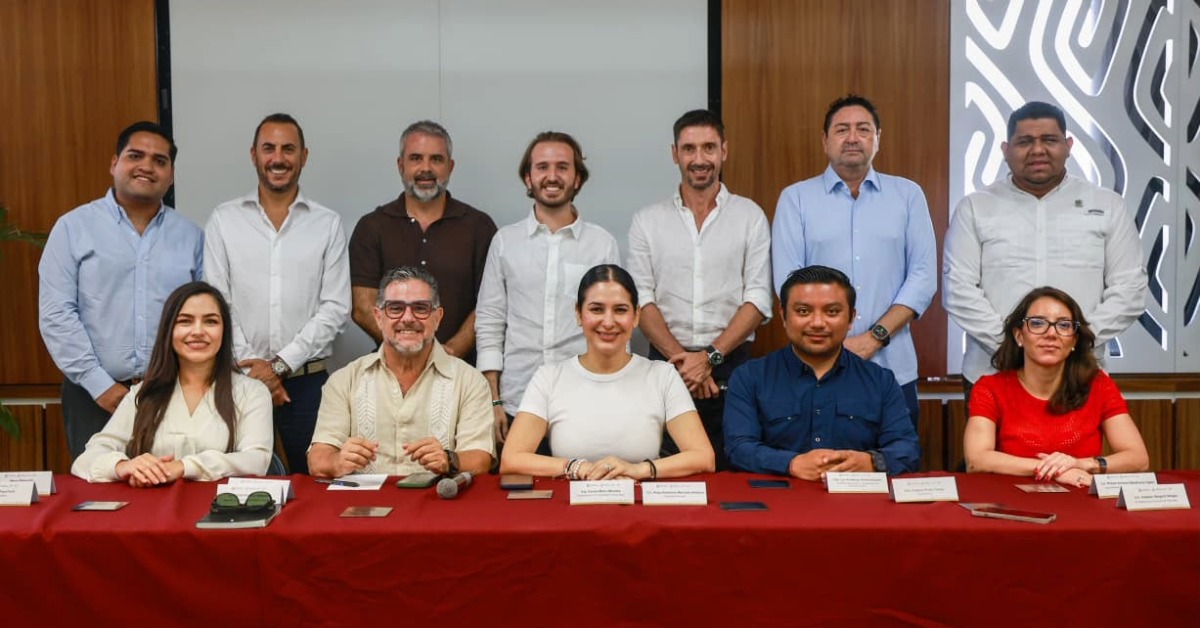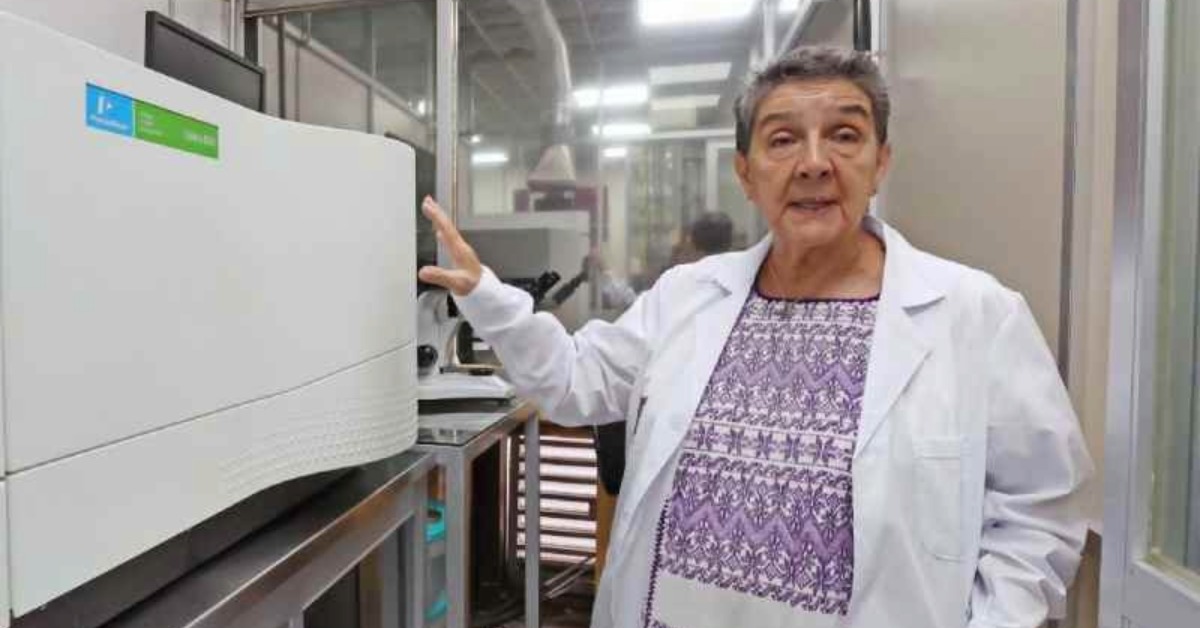
The National Polytechnic Institute (IPN) has installed a fourth sensor station in Quintana Roo to monitor gases produced by decomposing sargassum.
The new station is located in Playa del Carmen, one of the Mexican Caribbean’s busiest coastal cities. It joins existing monitoring points in Cancún’s Punta Nizuc area, Akumal, and Mahahual.
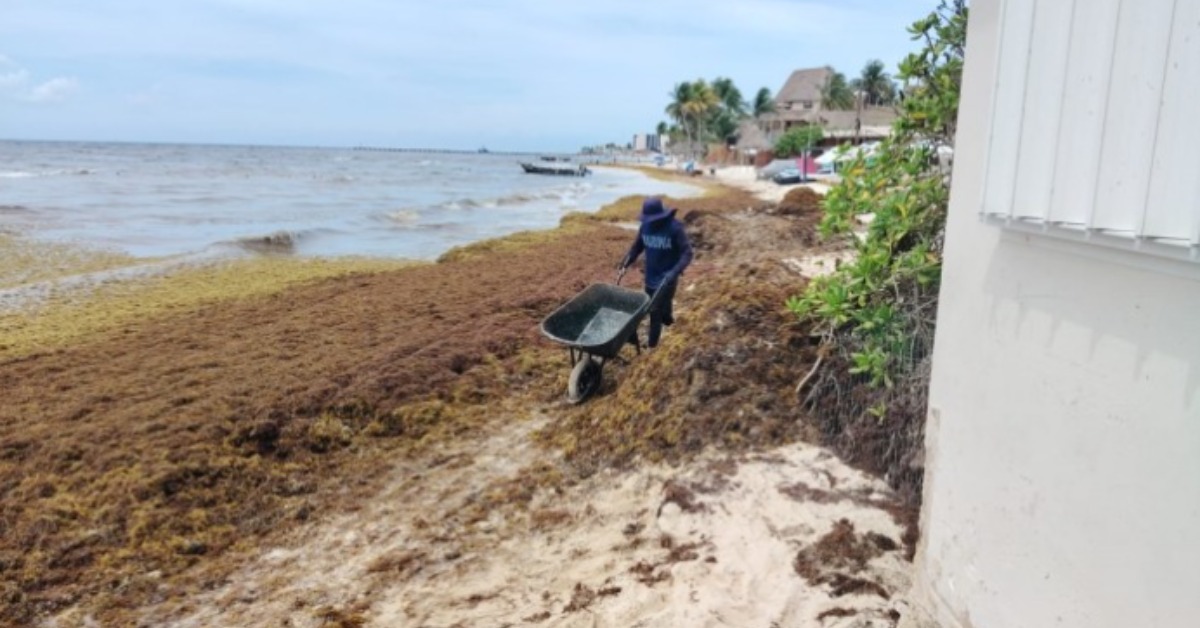
The project is focused on what happens after sargassum reaches shore. While floating sargassum is part of the marine ecosystem, large piles on beaches can begin to rot. As the algae break down, they can release gases that affect air quality near the beach.
IPN says the goal is to create an early warning system for beaches where gas levels may pose a health concern. That information could help authorities decide when to issue warnings, limit access to certain areas, or take other preventive steps.
For Playa del Carmen, the station arrives during a season already marked by early and heavy sargassum arrivals in parts of the Caribbean.
Why sargassum gases matter
Sargassum becomes a public health concern when large amounts remain on shore long enough to decompose.
During that process, the algae can release gases such as hydrogen sulfide and ammonia. Hydrogen sulfide is often linked to the rotten-egg smell many people notice near rotting seaweed. At higher exposure levels, it can irritate the eyes, nose, and throat. It can also worsen symptoms for people with asthma or other respiratory conditions.
That does not mean every beach with sargassum is dangerous. Fresh sargassum in the water is different from thick, rotting piles trapped on shore. Risk depends on the amount of algae, how long it has been decomposing, wind conditions, distance from the pile, and how long someone stays nearby.
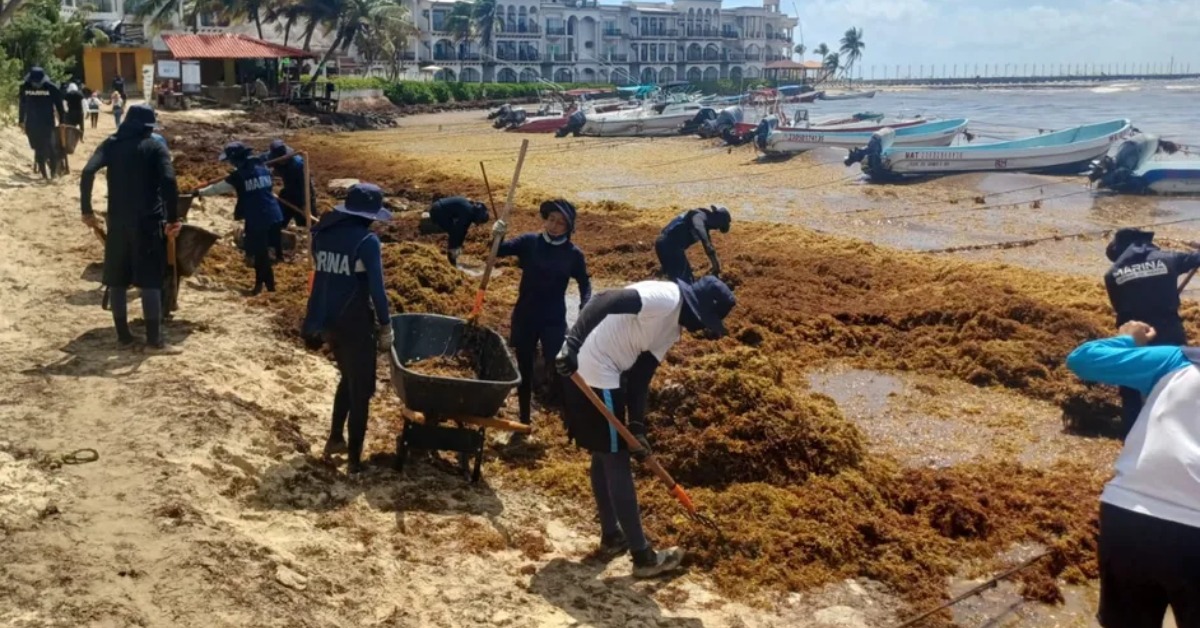
The concern is greater for people who spend more time close to the affected areas. That includes beach workers, cleanup crews, vendors, hotel staff, lifeguards, and residents who live near the shoreline.
Older adults, children, and people with existing health conditions may also be more sensitive to poor air quality.
What the Playa del Carmen sensor could change
The new sensor station does not remove sargassum. It gives officials better information about conditions near affected beaches.
That matters because beach decisions are often made from what people can see or smell. A gas-monitoring station adds measurable data to that process. If levels rise, authorities could have a clearer basis for public notices or temporary restrictions.
IPN has pointed to Martinique as an example of how monitoring can work. The French Caribbean island uses a system that tracks beach conditions and supports daily public information. The idea is simple: better data can help people make better decisions before symptoms appear.
For Playa del Carmen, this could eventually mean more precise beach alerts. Instead of warning residents broadly about sargassum, officials could identify specific areas where gases are accumulating.
That would be useful for foreign residents and visitors who may not follow local Spanish-language alerts closely. It could also help hotels, tour operators, and beach clubs respond faster when conditions change.
Sargassum is becoming a year-round planning issue
Sargassum is no longer treated as an occasional nuisance in Quintana Roo. It has become a recurring coastal challenge that affects tourism, public health, beach maintenance, and the environment.
The 2026 season has drawn attention because sargassum appeared early in the Mexican Caribbean. Researchers tracking the wider Atlantic and Caribbean region have also warned that 2026 could become another major sargassum year.
The problem is not limited to one beach or one city. The same floating algae belt can affect Cancún, Playa del Carmen, Tulum, Akumal, Mahahual, and other Caribbean destinations. Conditions can change quickly, even from one beach to the next.
That uneven pattern is one reason monitoring matters. A beach may be clear in the morning and affected later in the day. Another beach nearby may have little accumulation. Wind, currents, and shoreline shape all play a role.
For residents, the practical takeaway is to check local beach conditions before spending long periods near shore, especially during heavy sargassum weeks.
What residents and visitors should watch for
The strongest warning sign is not just the presence of seaweed. It is the combination of heavy accumulation, decay, and a strong odor.
People should be cautious around large piles of dark, decomposing sargassum, especially when the smell is intense. Anyone who feels eye irritation, throat irritation, nausea, headache, dizziness, or breathing trouble should leave the area and seek fresh air.
People with asthma or other respiratory conditions should be more careful near rotting sargassum. The same applies to those who live in or stay at beachfront properties where the smell enters the rooms or balconies.
Cleanup workers face a different level of exposure. Their work can involve prolonged exposure to decaying algae. Protective equipment, training, and clear safety rules are important when beach cleanup becomes daily labor.
For swimmers, sargassum can also pose a risk of skin irritation. Small marine organisms may live in the algae, and some can sting or irritate the skin.
A health tool, not a full solution
The new Playa del Carmen station is an important step, but it does not solve the sargassum problem on its own.
Monitoring helps identify risk. It does not stop algae from arriving, remove it from beaches, or address the broader causes of large blooms. Those issues require separate work, including offshore collection, beach cleanup, waste handling, environmental planning, and better regional forecasting.
Still, gas monitoring fills a gap in the public response. It treats sargassum as more than an eyesore or tourism concern. It recognizes that people live, work, and spend long hours near these beaches.
For Playa del Carmen, that distinction matters. The city’s beach economy depends on clean sand and clear water, but residents also need reliable information about health risks.
As the sargassum season continues, the new station could help local authorities move from reaction to prevention. That may become increasingly important if heavy arrivals continue across the Mexican Caribbean.