Puerto Vallarta residents may hear alerts and see evacuation activity on Wednesday as Jalisco tests its response to a major coastal earthquake. The drill is based on a severe offshore quake and tsunami scenario, but it is also a practical test for workplaces, hotels, schools, and public spaces. For coastal communities, the exercise is not only about sirens. It is about knowing where to go, who gives instructions, and how quickly people can move when minutes matter.
Puerto Vallarta joins a statewide emergency drill
Puerto Vallarta will be part of a statewide earthquake and tsunami drill on Wednesday, May 6, as Jalisco tests how businesses, workplaces, public spaces, and local response teams react to a major coastal emergency.
The exercise is scheduled for 11:00 a.m. and is part of Mexico’s first national drill of 2026. In Jalisco, the scenario is based on a magnitude 8.0 earthquake in the Pacific Ocean, near Chamela in the municipality of La Huerta.
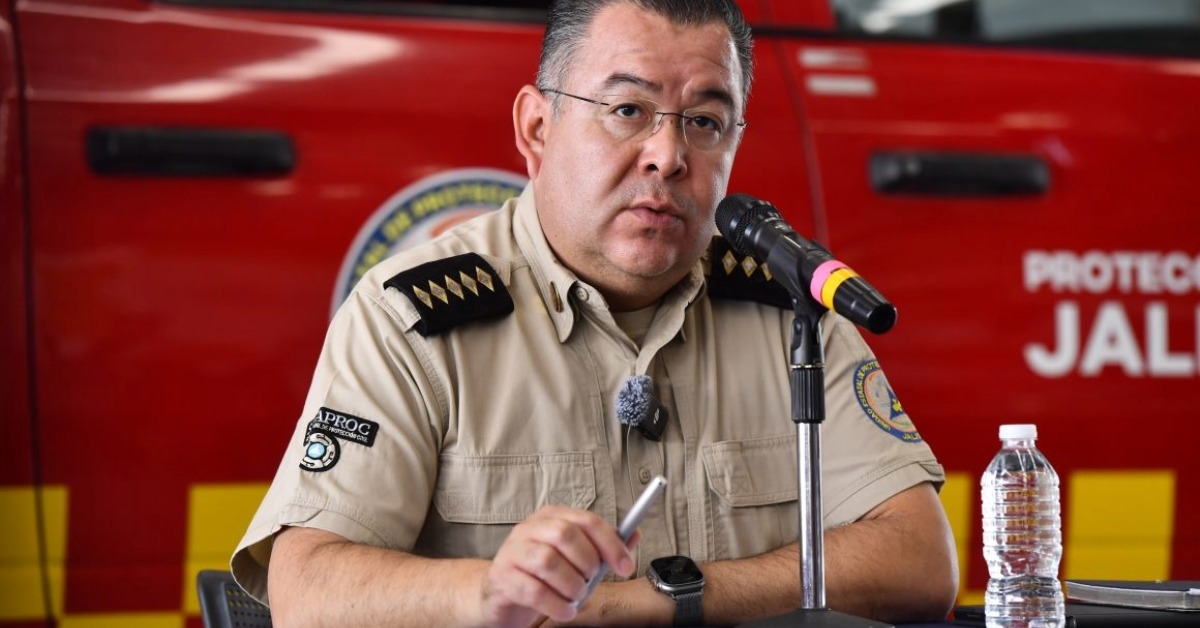
For Puerto Vallarta, the drill is expected to focus on evacuation procedures, workplace response, public coordination, and the behavior of people in buildings with larger numbers of residents, workers, or visitors. State Civil Protection personnel are expected to observe response protocols in selected locations and provide feedback after the exercise.
The drill is not an actual emergency. It is intended to test response plans before a real event occurs.
The scenario is built around a severe coastal earthquake
Jalisco’s drill uses a local risk scenario rather than a generic earthquake exercise. Authorities are using a hypothetical earthquake with an epicenter off the coast of Chamela, at a depth of about 13 kilometers.
The scenario also includes a tsunami risk for parts of the Jalisco coast. State planning materials describe waves of more than five meters reaching high-risk coastal areas within about 7 to 14 minutes after the simulated quake.
The communities most directly affected in the scenario are in Jalisco’s southern coastal area, including Chamela, Punta Pérula, Melaque, and Barra de Navidad. Even so, Puerto Vallarta remains part of the broader coastal response exercise.
That distinction matters for local residents. The drill does not mean Puerto Vallarta is being singled out as the expected impact point. It means the city is part of a coast where earthquakes, tsunamis, tourism, high-rise buildings, and evacuation logistics all overlap.
What residents and visitors may notice
At 11:00 a.m., residents may receive warnings through Jalisco Alerta and the national mobile alert system. Some people may also hear alarms or see organized evacuations at workplaces, schools, hotels, government offices, or other participating buildings.
Mobile alerts tied to the national drill are expected to be clearly marked as a simulation. The message is meant to test the emergency alert system, not to announce a real earthquake.
People in participating buildings may be asked to leave the premises, move toward meeting points, or follow instructions from internal civil protection brigades. In coastal areas, some exercises may include movement toward safer areas away from the shore.
For Puerto Vallarta’s tourism sector, the drill is also a test of communication. Hotels, restaurants, tour operators, and property managers need plans that work for both Spanish-speaking residents and visitors who may not understand local emergency systems.
Why this drill matters for Puerto Vallarta
Puerto Vallarta has a different risk profile than inland cities. It has beach areas, river mouths, hillsides, high-rise condos, hotels, busy roads, and large numbers of visitors who may not know local evacuation routes.
That mix can complicate a real emergency. A strong earthquake can create damage risks inside buildings. A tsunami warning may require rapid evacuation from low-lying coastal areas. Heavy traffic or confusion can slow evacuations when time is limited.
The drill gives local businesses and residents a chance to identify weak points before they matter. A written plan is useful, but a practiced plan is better. Staff need to know who gives orders, which exits to use, where to meet, and how to account for people afterward.
For condo buildings and rental properties, the exercise is also a reminder that many foreign residents and visitors may not know what Mexican alerts sound like. They may not know whether to stay inside, evacuate, or move to higher ground. Clear building-level instructions can reduce confusion.
What to do during the drill
Residents inside a participating building should follow the instructions from building staff, workplace brigades, or Civil Protection personnel. The goal is to practice the same movements people would use in a real emergency.
If the exercise includes evacuation, people should leave calmly, avoid elevators, and move to the designated meeting area. After reaching the meeting point, participants should wait for instructions before returning inside.
For anyone near the beach, the drill is a good time to think about the nearest safe route away from the shoreline. In a real tsunami threat, authorities generally advise people to move away from beaches, rivers, streams, marshes, and coastal lagoons and to seek higher ground.
Families should use the drill as a prompt to review basic plans. That includes where to meet, how to communicate if phone service is limited, and what documents or medications should be kept ready.
Jalisco Alerta and phone warnings
Jalisco is also using the drill to test public warning channels. These include Jalisco Alerta, the state’s official emergency alert app, and national mobile notifications.
The Jalisco Alerta app is designed to send early warnings and emergency information from state authorities. It is intended for various hazards, including severe weather and other risks that may affect parts of the state.
The national mobile alert system is different from a standard text message. It is designed to reach compatible phones in selected areas through telecommunications infrastructure. Users may receive a loud tone, vibration, and message even if the phone is locked or in silent mode.
For many residents, Wednesday’s drill may be the first time they see how these systems work. That alone makes the exercise useful. In a real emergency, recognizing the warning can save time.
A reminder that the coast has real seismic history
Jalisco and Colima have a long history of strong offshore earthquakes. One of Mexico’s largest recorded earthquakes struck the Jalisco-Colima coast in 1932 with a magnitude of 8.2. That history is one reason state authorities treat coastal drills seriously.
A drill does not predict an earthquake. Earthquakes cannot be predicted by date or time. The point is to prepare for a risk that exists along Mexico’s Pacific coast.
For Puerto Vallarta residents, the practical takeaway is simple. Know your building’s plan, where the exits are, and what the alarms mean. Know how to move away from the coast if instructed.
The May 6 drill is a test, but it is also a rehearsal for decisions that should not be improvised during a real emergency.