A Nayarit resort already tied to U.S. sanctions has resurfaced in a new warning from the Treasury Department. The update says Kovay Gardens, also known as Vallarta Gardens, is now using two more names while remaining on the U.S. sanctions list. For residents, visitors, and timeshare owners around Puerto Vallarta, the case raises fresh questions about how resort fraud schemes operate, who they target, and what buyers should check before sending money or signing new paperwork.
U.S. Warns Nayarit Resort Has New Names After Sanctions
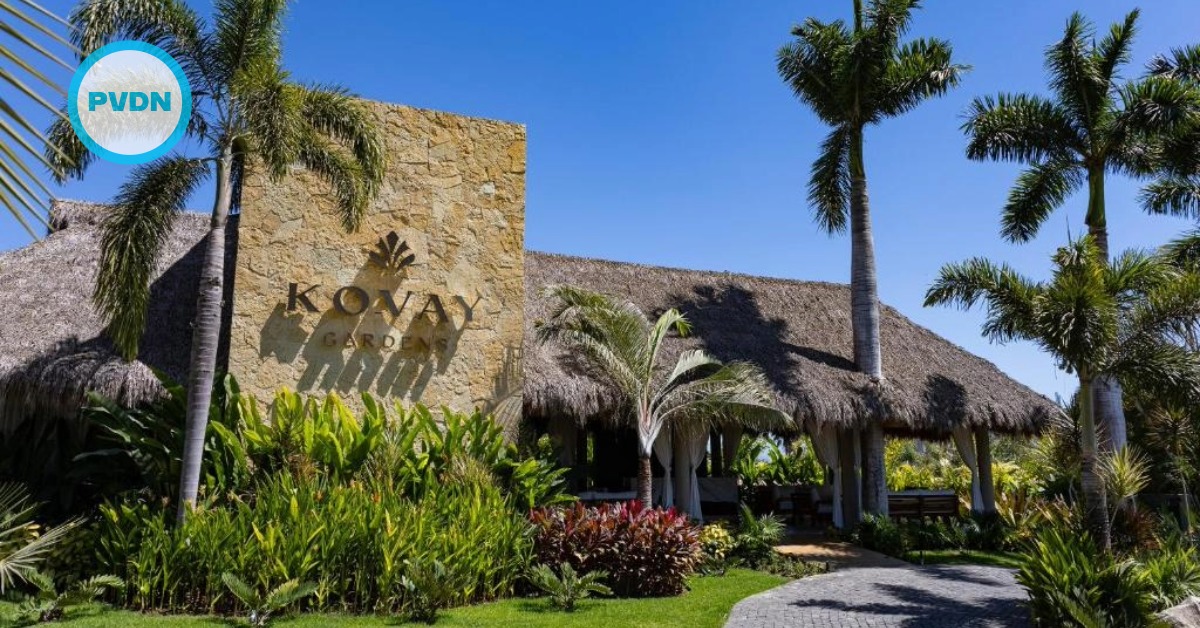
U.S. officials have updated a sanctions entry for Kovay Gardens, the Nayarit resort also known as Vallarta Gardens, saying the complex is now using two additional names.
The new names listed by the Office of Foreign Assets Control are Navira Villas & Residences and Marina Oasis Beachfront Resort. The update keeps Kovay Gardens on the U.S. sanctions list and warns that the new aliases still refer to the same sanctioned entity.
The resort is listed with an address in La Cruz de Huanacaxtle, Nayarit, in the Bahía de Banderas area northwest of Puerto Vallarta. The case is relevant to the wider Puerto Vallarta and Riviera Nayarit region because it involves the local tourism corridor, foreign timeshare buyers, and U.S. sanctions rules that can affect Americans living in or visiting Mexico.
U.S. officials sanctioned Kovay Gardens in February 2026 as part of a broader action targeting alleged timeshare fraud linked to the Cártel Jalisco Nueva Generación (CJNG). That action included the resort, five people, and 17 Mexican companies.
The latest update does not appear to be a new criminal case. It is a sanctions-list update that adds new names to an entity already designated by OFAC.
What the new names mean
The key issue is not only the name on a sign, brochure, or website. The concern is whether a business is the same entity already listed by OFAC under another identity.
OFAC’s update says Kovay Gardens is also using Navira Villas & Residences, Navira Villas and Residences, and Marina Oasis Beachfront Resort. It also continues to list Vallarta Gardens as an alias.
For U.S. persons, sanctions rules can carry serious legal and financial risk. In general terms, U.S. persons are prohibited from doing business with blocked entities unless authorized by OFAC. Property and interests in property tied to blocked persons are also subject to restrictions when they fall under U.S. jurisdiction.
That matters for Americans who own timeshares, are asked to make payments, or are contacted about rentals, resales, or recovery offers. It can also matter for banks, payment processors, travel intermediaries, and real estate professionals who handle transactions.
For Canadian and other foreign residents, the U.S. sanctions rules may not apply in the same way. Still, the warning is relevant because the alleged fraud model targeted international timeshare owners and relied on cross-border payments.
The broader timeshare fraud allegations
U.S. officials have described the Kovay Gardens case as part of a larger timeshare fraud network connected to CJNG. The alleged model goes beyond a single sales pitch.
According to U.S. authorities, timeshare owners can be contacted by people posing as brokers, attorneys, sales representatives, government officials, or recovery specialists. The offer may involve selling, renting, or exiting a timeshare. Victims are then asked to pay fees, taxes, legal costs, or other charges before receiving money that never arrives.
In some cases, victims are approached again after the first loss. The second contact may claim to help recover the missing funds. That can lead to more payments and deeper losses.
U.S. officials have said the broader fraud problem in Mexico has affected thousands of Americans. The FBI has also warned that these scams often target older adults and timeshare owners who are trying to recover money already spent.
The Kovay Gardens allegations include claims of deceptive sales practices, false promises about rental income from unused weeks, overcharging of credit cards, and the sharing of customer information with call centers linked to fraud operations. These are allegations from U.S. authorities, not proven findings in a Mexican court in this article.
Why resort names can be hard to follow
Tourism properties in Mexico can operate through different legal names, trade names, booking names, and development brands. That is not automatically suspicious. Hotels and resorts often rebrand, separate ownership from operations, or market different sections of a property under different names.
The risk comes when a sanctioned entity uses new names that may make it harder for consumers to recognize the connection. That is why OFAC’s alias update is important.
A person searching for only one name may miss the sanctions record. A traveler may see a new brand and assume it is unrelated. A timeshare owner may receive a payment request from a name that does not immediately match the name on the older public warning.
In this case, OFAC has now placed the newer names directly into the sanctions record. That makes the connection clearer for consumers, financial institutions, and anyone checking the SDN list before sending money.
What residents and visitors should watch for
The warning is especially relevant for people who already own a timeshare in Mexico or have been contacted about selling, renting, or recovering money from one.
A common red flag is an unsolicited offer that sounds unusually favorable. Another is a request for payment before the buyer, renter, or supposed settlement sends money. Scammers may call these charges taxes, administrative fees, legal costs, notary fees, customs payments, or government release fees.
A second red flag is pressure. Fraud attempts often move quickly, creating fear that the opportunity will disappear. Recovery scams may also use urgency by telling victims they must act before a deadline.
A third red flag is the use of official-sounding language. Some scammers have claimed to represent U.S. or Mexican government agencies. Legitimate agencies do not demand advance payments from the public to release blocked funds or settlements.
For people living in Mexico, the safest approach is to verify before paying. That means checking the business name, trade name, legal entity, bank account, contract language, and any sanctions listing. It also means speaking with an independent attorney before signing powers of attorney or sending documents by email.
A local case with international reach
The Kovay Gardens case sits at the intersection of tourism, real estate, organized crime finance, and cross-border fraud. That combination can make it confusing for readers who know the area mainly as a beach and retirement destination.
Bahía de Banderas and Puerto Vallarta depend heavily on tourism and foreign residents. Most tourism businesses are not accused of wrongdoing. At the same time, the region has appeared repeatedly in U.S. actions involving timeshare fraud and cartel-linked financial networks.
That does not mean visitors should view every resort offer as a scam. It does mean timeshare and real estate transactions deserve more scrutiny than a vacation purchase normally receives.
The latest OFAC update adds one more practical step: anyone dealing with Kovay Gardens, Vallarta Gardens, Navira Villas & Residences, or Marina Oasis Beachfront Resort should understand that U.S. authorities list them as aliases of the same sanctioned resort entity.
For current owners or past victims, the next step is not to send more money to anyone claiming they can fix the situation for an upfront fee. U.S. officials advise victims to report the case through the FBI’s Internet Crime Complaint Center and keep records of payments, bank information, contracts, emails, phone numbers, and names used in the contact.